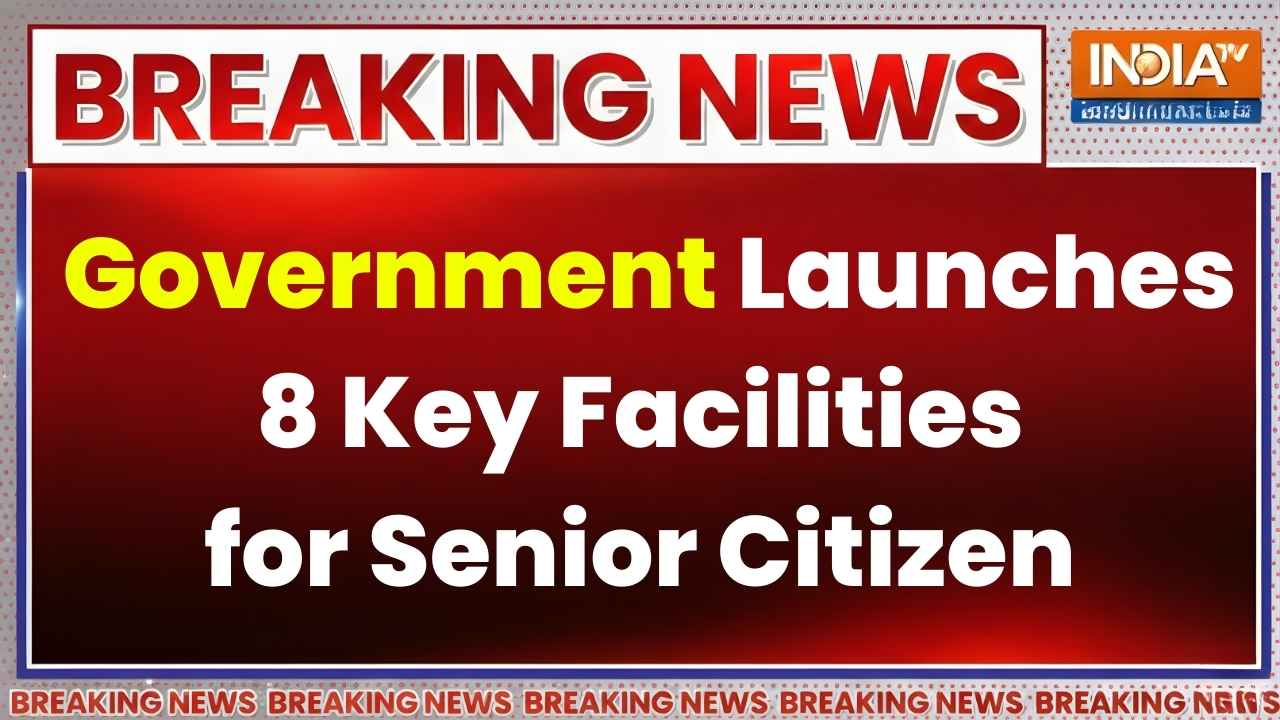
2026 Senior Citizen Benefits India’s demographic shift toward an increasingly elderly population has forced policymakers to address the growing needs of senior citizens more effectively. As life expectancy rises and urbanization leads to the disintegration of traditional family structures, India’s government has responded with a fresh set of initiatives aimed at enhancing the quality of life for older citizens in 2026. These new policies are not isolated; rather, they represent a coordinated effort to address a wide array of issues seniors face today ranging from financial security and healthcare access to housing, mobility, and digital inclusion.
Senior Citizen Benefits in 2026: Key Features
| Facility | Benefit | Details |
|---|---|---|
| Pension Adjustments | Increased monthly pensions | Linked to cost of living adjustments, more systematic increases |
| Healthcare Discounts | Reduced medical expenses | Includes government and empanelled private hospitals |
| Travel Concessions | Discounted fares on public transport and select airlines | Accessible for intercity and domestic travel |
| Housing Assistance | Rent subsidies and priority access to senior-friendly housing | Focus on safety, affordability, and accessibility |
| Tax Relief | Enhanced tax deductions for healthcare and insurance | Targeted at middle-income retirees |
| Digital Literacy | Workshops for seniors on digital banking and telemedicine | Designed to increase technological independence |
| Support for Vulnerable Groups | Cash assistance and priority healthcare for widows, disabled, and low-income seniors | Targeted assistance for marginalized groups |
| Community Engagement Programs | Activities such as group travel and wellness sessions | Designed to reduce isolation and promote socialization |
This structured approach signifies a fundamental shift in how India supports its senior citizens. Rather than relying on a single flagship initiative, the government has prioritized a holistic strategy that aims to make daily life more manageable and dignified for elders across the country.
Monthly Pension Adjustments Reflect Rising Cost of Living
One of the most notable changes is the revision of pension schemes, which will now be linked to inflation. This adjustment aims to ease the financial strain on senior citizens whose primary source of income is their pension. Many retirees, particularly those without substantial private savings, rely heavily on their monthly payouts to cover essential costs like food, housing, and medical expenses. With the cost of living steadily increasing, these adjustments offer some relief, though experts warn that it may still fall short for those facing chronic health issues or without family support.
The revised pension structure is expected to offer a more predictable increase in payouts, with regular reviews based on economic indicators, making it more systematic and transparent. Seniors will no longer need to repeatedly submit paperwork for these revisions, significantly reducing administrative burdens. However, the extent of the pension hikes will vary based on factors like the type of pension scheme and local economic conditions.
EPFO EPS Reform 2026: Minimum Pension Hike and Wage Ceiling Adjustments
The government has also made significant reforms to the Employees’ Provident Fund Organisation (EPFO) and its Employees’ Pension Scheme (EPS). Key among these reforms is the increase in the minimum pension amount, which has been raised to ₹7,500 per month. Additionally, the wage ceiling for contributions has been raised, meaning that more workers will now be eligible for higher pension benefits in their retirement years. These changes are designed to provide additional financial support for retirees who rely on EPFO pensions, particularly in the face of rising living costs.

Expanded Medical Discounts Aim to Reduce Out-of-Pocket Burden
Healthcare costs remain one of the most significant challenges for senior citizens. In response, the government has expanded its medical discount programs. Previously, these discounts were largely limited to government hospitals, but now the policy extends to empanelled private hospitals, especially in regions where public infrastructure is inadequate. Seniors will now have access to reduced rates for diagnostic tests, outpatient consultations, and hospital stays.
The inclusion of preventive health checks is another key aspect of this program. By encouraging early detection and treatment of common chronic conditions such as diabetes and heart disease, these measures aim to reduce long-term healthcare costs. However, the availability of these discounts may vary depending on the region and specific healthcare provider, so seniors are advised to confirm the status of participating hospitals before seeking services.
Travel Concessions Support Family Connections and Medical Mobility
Travel has become a vital issue for older adults, particularly those who need regular medical care or wish to maintain family connections. In 2026, updated travel concessions have extended beyond railways to include state transport systems and even select domestic air routes. Reduced fares on buses, trains, and flights make it easier for seniors to travel across cities for medical appointments or to visit family members. This initiative recognizes the importance of mobility in maintaining social and emotional well-being in older age.
Housing Assistance Targets Safety and Affordability
Affordable and safe housing remains a critical concern for senior citizens, especially in urban areas where housing prices have skyrocketed. In response, the government has rolled out measures that include rent subsidies, priority access to senior-friendly housing projects, and simplified loan procedures. These homes are designed with safety features such as handrails, emergency call systems, and barrier-free layouts to make them more accessible to older adults.
While these housing initiatives aim to address a growing need, their success will depend on regional variations and local infrastructure. Urban areas may see faster implementation, while rural areas may face delays in accessing these benefits.

Tax Relief and Digital Training Address Financial and Technological Gaps
The 2026 framework also includes measures to ease the financial burden on retirees, particularly through enhanced tax deductions for medical expenses and insurance premiums. Middle-income seniors, often ineligible for poverty-linked welfare programs but still facing significant healthcare costs, stand to benefit the most from these reforms.
In addition, digital literacy programs are being introduced to help older adults become more familiar with online banking, pension portals, and telemedicine services. These programs aim to empower seniors, enabling them to navigate digital services independently and securely. By equipping them with essential skills, these initiatives help bridge the digital divide and ensure seniors can access the services they need.
Targeted Support for Vulnerable Groups and Community Engagement
The government has also allocated additional support for vulnerable groups among the elderly, including widows, differently-abled seniors, and low-income households. This includes cash assistance, subsidised assistive devices, and prioritized healthcare access. Alongside these financial measures, community-based programs are being expanded to encourage social participation. Group travel, cultural activities, and wellness sessions are designed to combat the social isolation that many elderly individuals face, which can lead to mental and physical health decline.
Clarification and Verification: How Seniors Can Confirm Eligibility
Due to the involvement of various ministries and state governments, the rules for eligibility and the application process may differ depending on the region. Seniors are encouraged to consult official government websites, local welfare offices, or authorized helplines for more specific information on how to access these benefits. Carrying updated documents such as ID cards, pension records, and medical certificates can expedite the process of confirming eligibility.
Final Verdict: A More Comprehensive Approach to Senior Welfare
In conclusion, India’s new senior citizen benefits for 2026 represent a major step forward in addressing the challenges posed by an ageing population. By focusing on coordinated improvements across pensions, healthcare, mobility, housing, taxation, and digital access, these measures aim to provide a more dignified and secure life for seniors. However, as with any large-scale initiative, successful implementation will require effective coordination between local governments, private entities, and community organizations. Only then can India ensure that its senior citizens truly benefit from these policies.
Disclaimer:
This article is based on policy outlines, official communications, and publicly available information regarding senior citizen benefits in 2026. Specific eligibility criteria, benefit amounts, and implementation timelines may vary by state, department, and individual circumstances. Readers are advised to verify details through official government notifications or authorized channels before making any financial or personal decisions.
