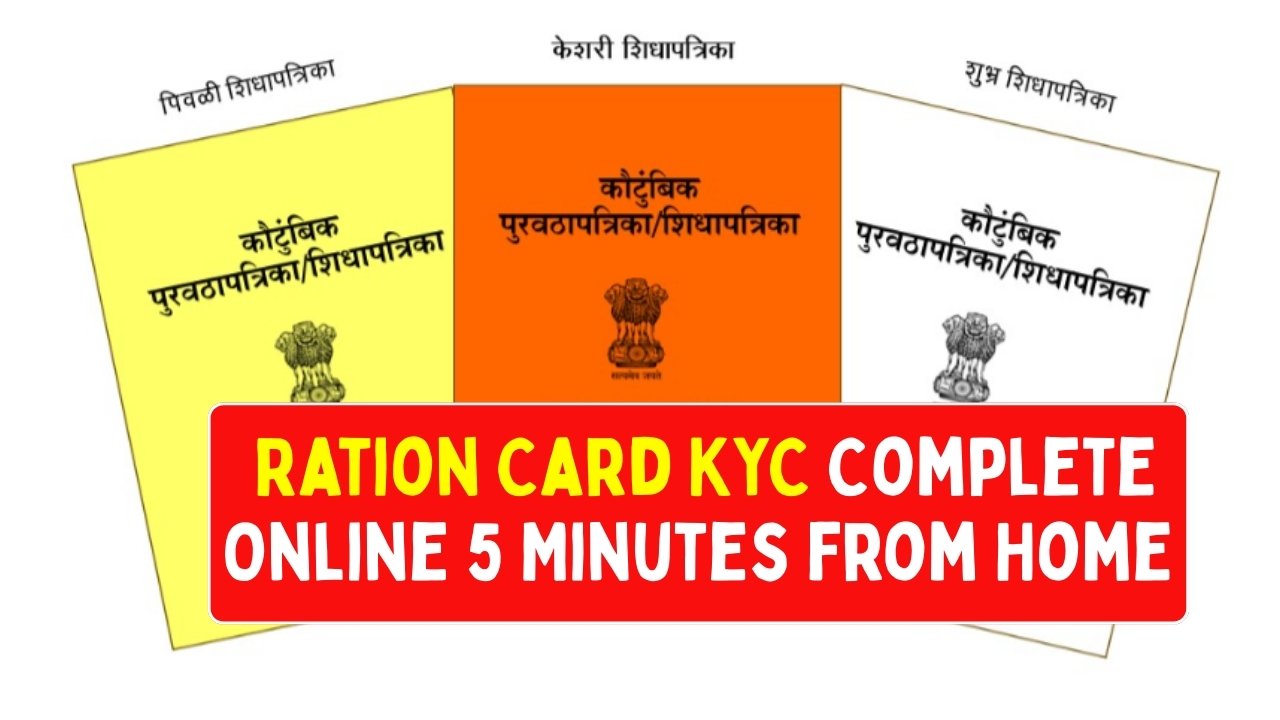
Ration Card KYC Update 2026 The Ration Card KYC Update 2026 has emerged as one of the most significant administrative exercises for Indian households. Unlike earlier drives that required paperwork and repeated visits to ration shops, the current focus is on digital verification. This shift is part of a broader effort to clean beneficiary databases, prevent duplication, and ensure food subsidies reach the intended families.
Policy Priority Behind the Update
Migration, deaths, duplicate registrations, and family changes have made ration card databases outdated. To address subsidy leakages, the government is relying more on Aadhaar‑based authentication. The 2026 update emphasizes online verification through state PDS portals, aiming to reduce ghost cards and improve transparency.
Ration Card KYC Categories and Requirements
| Category | Requirement Type | Verification Mode | Exemptions Available |
|---|---|---|---|
| Priority Household (PHH) | Aadhaar linked | Online/Offline | State-specific relaxations |
| Antyodaya Anna Yojana (AAY) | Aadhaar linked | Online/Offline | Elderly and disabled support |
| Migrant Workers | Aadhaar portability | Online portals | Assistance at ration shops |
| State-specific schemes | Aadhaar linked | Online/Offline | Local exemptions apply |
Who Is Affected
Every ration card holder, whether under PHH, AAY, or state schemes, is expected to comply. Families dependent on subsidised grains face serious consequences if KYC is incomplete. Migrant workers and elderly beneficiaries are particularly vulnerable, making timely updates essential.

From Queues to Digital Clicks
The biggest change in 2026 is the move away from physical verification camps. Most states now encourage online updates through official portals or mobile apps. Offline assistance remains available for those with limited digital access, ensuring inclusivity.
Social and Economic Impact
Accurate KYC data reduces subsidy leakages and strengthens trust in the PDS system. Savings from reduced duplication can be redirected to improve grain quality and expand welfare coverage. However, activists warn that technology should not become a barrier for genuine beneficiaries.
Lessons from Past Reforms
India’s experience with Aadhaar‑linked welfare schemes shows both successes and challenges. While duplication has reduced, authentication failures have excluded some beneficiaries. The 2026 update incorporates lessons by offering multiple verification modes and longer update windows.

Public Response
Tech‑savvy users have welcomed the convenience of online verification, while rural areas report challenges with connectivity and Aadhaar‑linked mobile numbers. Local administrations are setting up facilitation desks to ensure no one is excluded.
Final Verdict
The Ration Card KYC Update 2026 is more than a technical exercise; it directly impacts food security for millions. The digital shift promises efficiency and transparency, but success depends on ensuring that rural and vulnerable households are not left behind.
Disclaimer
This article is based on publicly available information and policy discussions surrounding the Ration Card KYC Update 2026. Procedures, timelines, and requirements may vary by state. Readers should verify details through official state PDS portals or authorised government sources before taking action.